 Go to content

How to Visit the Amazon in Bolivia | Pampas & Madidi
Not many people travel around this area of the country, and when we decided to do so we had a bit of trouble finding clear information about How to visit the Amazon in BoliviaHowever, after experiencing it firsthand, we are clear that it is one of those unique experiences that is worth adding to your Bolivia itinerary.
In this guide we share very useful information to organize your trip: how to get there from La Paz, types of tours, prices and practical advice based on our experience in the Madidi Reserve and Yacuma Pampas.
🚌 How to get there Amazon from La Paz
The most common access to the Amazon in Bolivia is through rurrenabaque, a small town on the banks of the Beni River. Virtually all tours to the Madidi Reserve and the Yacuma River depart from here. To get there from La Paz, you have two options:
Flight to Rurrenabaque
It's the way more comfortable and fasterThe flight lasts about 40 minutes and saves you a very long trip. carRetera. That said, it's the most convenient option. cara (€60-€80). You can buscar the options in Skyscanner.
Night bus from La Paz
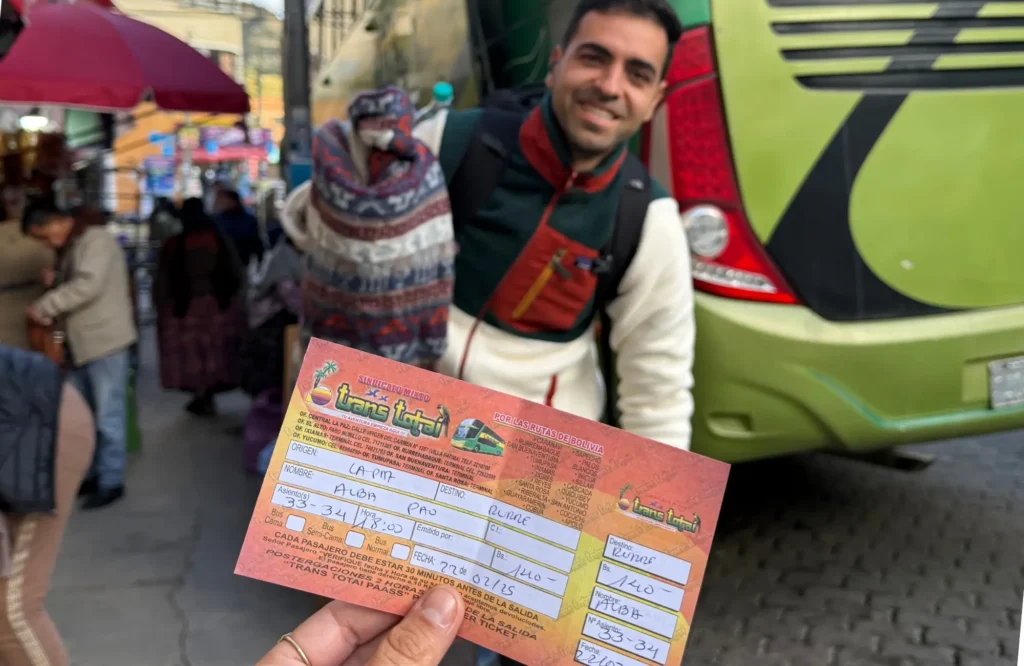
The cheapest option is the bus, and the one we chose. We traveled with Trans Totai, which leaves from its office in La Paz (not from the main terminal, here is the location in Google Maps).
The ticket cost us 140 bolivianos and we bought it directly there the same day, arriving around 17:00 PM to catch the bus that left at 18:00 PM. The journey took about 13-14 horas, although we know it's common for delays to occur and the journey to take longer. Keep in mind that the buses aren't the newest or the most comfortable. If you're someone who has trouble sleeping on the road, you might not have a good night's sleep.
If you book a tour from La Paz, it's very likely they'll arrange your transportation. Furthermore carOr, the simplest option if you prefer a more relaxed approach. It's also already available. included in the organized tours online.
✅ Recommended itinerary! Bolivia in 15 days to discover the best of the country From Uyuni to the Amazon rainforest, passing through the Andes.
Where to stay in Rurrenaque
Since tours usually start early, if you are flying you may have to spend a night either before or after the Bolivian Amazon tour.
In our case, we arrived in the morning and started the tour that same day. We did the same thing at the end of the tour, returning to La Paz that same night and from there heading straight to the Oruro Carnival.
Rurrenabaque is small, so all accommodations They're close to the restaurant district, tour offices, or the river for a walk. Two highly rated hotels with a pool and breakfast are: Lobo Hostel y Hotel Ambaibo.
🌿 Types of tours for visit the Bolivian Amazon
From Rurrenabaque you can choose between three types of tours to visit the Bolivian Amazon:
- 🐒 The Madidi Reserve, also known as jungle
- 🐊 The Yacuma Pampas
- Combination that unites both experiences.
As for duration, the most popular tours to visit the Amazon in Bolivia are 3 days/2 nights or 5 days/4 nights, although it's customizable. We opted for a 5-day tour to combine both and spend a night camping in the middle of the jungle. We'll tell you about our experience visiting the Bolivian Amazon later.
⚠️✈️ Don't forget to travel with good insurance. For your vacation, we recommend the Heymondo travel insurance, has the best value for money on the market in 2026. And it's not just our opinion, you can take a look at what They think about Heymondo other travelers. Thanks to being our reader, you get a minimum discount of 5%.
Tours to the Pampas del Yacuma
The pampas are a wetland area and open plains just over an hour's drive from Rurrenabaque. Once you arrive, you'll sail down the Yacuma River to your accommodation.
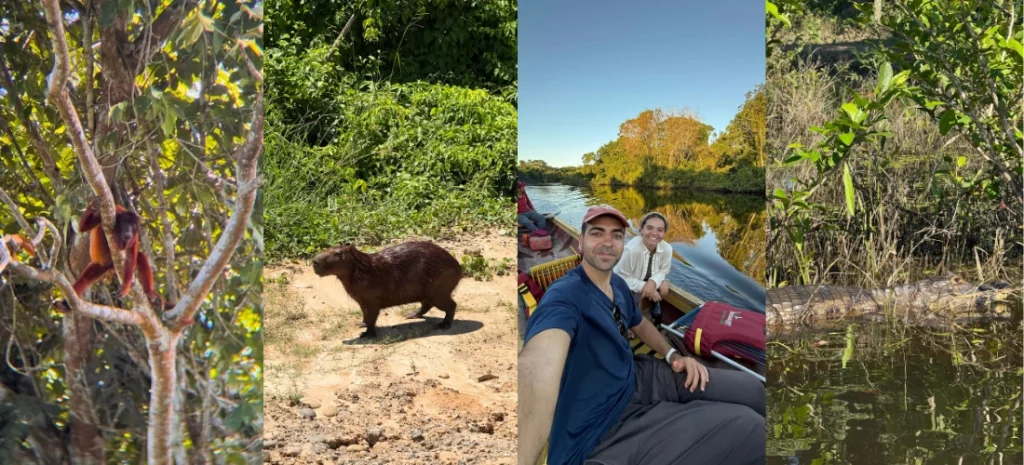
Although there are short walks on foot, Most activities are sailing on the river so it is much less tiring than other jungle places, it reminded us of Kinabatangan River in MalaysiaIt's easy to spot alligators sunbathing, capybaras on the shore, monkeys in the trees, all kinds of birds, and pink dolphins that live in some of the lagoons that form in the river.
The tours are one or two nights long, enough time to get to know and enjoy the area. Personally We thought it was a beautiful place, especially at dawn when the howler monkeys wake you up.
Madidi National Park Tours
Madidi National Park is one of the most biodiverse protected areas and is also enormous: it covers more than 18.000 km² and extends from the high Andean mountains to more than 5.000 meters above sea level. to the low plains of the AmazonThis variety of altitudes means that the park is home to very different ecosystems, from cloud forests to tropical jungles.
To get there from Rurrenabaque you sail along the Beni River almost three hours upriverOnce inside, you'll experience what we all imagine as "the jungle": dense vegetation, giant trees, constant humidity, and the sounds of thousands of species all around. The important thing here isn't so much seeing animals—they're more elusive with all the vegetation—but rather feel the immensity and authenticity of the Amazon.
Although it is more difficult to see animals, you are sure to spot howler monkeys and some other species of monkeys such as capuchins, frogs, tarantulas and of course macaws. In Madidi there is a cliff where they live and hundreds of macaws nest.
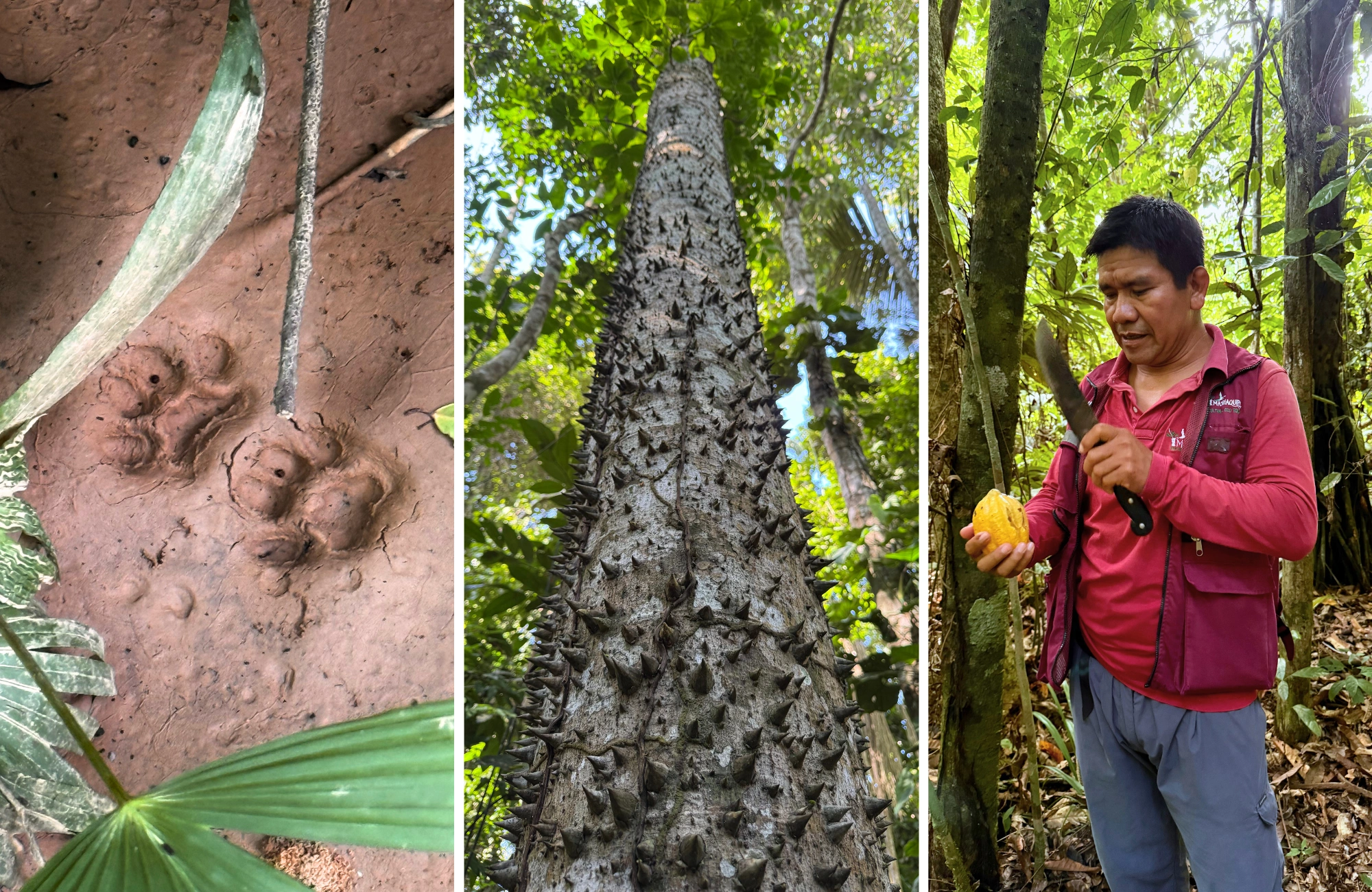
The most popular tours are from 2 nights, and you can do one of them camping. But they offer options for many different durations, including a week or ten days to explore the depths of Madidi with guides who They know the jungle like the back of their hand. On expeditions that venture into the wilderness, it's common to see all kinds of wildlife, even jaguars if you're lucky. We had to settle for following the trail of one.
Combined tours (jungle + pampas)
This was our choice, and which we definitely recommend to youIf you can, you should dedicatecarSpend at least three nights visiting the Bolivian Amazon, ideally four.
Both places They are very different from each other, which is why visiting both is a perfect combination. You'll first visit one of them from Rurrenabaque, then return and head to the next. You'll waste a lot of time traveling, so in my opinion, if you're going for fewer days, it's not worth it. It's much better to choose between the Pampas or the Jungle, depending on what appeals to you most or the type of experience you're looking for.
💰 How much do tours in the Bolivian Amazon cost?
Although traveling in Bolivia is generally very affordable, these types of activities always add up a bit. The cost depends on the duration and whether you choose the jungle, the pampas, or a combination. We'll show you the different options.
All-inclusive tours
These are the approximate prices that you will find by booking in person or directly through local agencies. If you prefer to have everything booked in advance, you can book by bus.car online tours like this one with everything included.
- Pampas Tour 2 nights / 3 days: 1.200 bolivianos per person
- Jungle Tour 3 nights / 4 days: 1.600 bolivianos per person
- Combined Tour 4 nights / 5 days: 2.800 bolivianos per person
📩 Leave us a comment if you'd like us to send you the WhatsApp message of our former guide.
Entrance fees
To this must be added the entrance fees to reserves and national parks, which are not included in the tour price:
A key point is the exchange rateIn Bolivia today (2025) there is quite a difference between the official and the parallel (blue dollar). Bringing euros or dollars from home to exchange and pay in Bolivianos will make the tour (and everything else) easier. about 30% cheaper.
Which company to choose to visit the Amazon in Bolivia?
In La Paz and Rurrenabaque You will find dozens of agencies offering all-inclusive packages to visit the Amazon in Bolivia.
The important is ask and look at reviews before booking, because not all agencies work the same way. Some do irresponsible tourism, such as using food to attract animals, allowing tourists tocarOne hundred pink dolphins or hold baby alligatorsThese are very harmful practices. Besides, if you visit the Amazon, it's because you love wildlife, not because you want to see a show.
In our opinion, it's important to do your research, ask questions, and choose a company that operates responsibly, especially one that respects animals and doesn't encourage these practices. Ultimately, it's up to us to be responsible tourists: If there is no demand for these activities, they will no longer be offered..
✅ Practical tips to visit the Amazon in Bolivia
Before we finish by briefly telling you about our experience in the Bolivian Amazon, we'll leave you with some tips for when you're planning your trip. Also, remember to exchange money in La Paz before going, the exchange rate is much better than the one offered in Rurrenabaque.
Best time to go to the Amazon
You can visit all year round, but the weather changes depending on the season:
- Dry season (May to October): less rain, more accessible roads and generally better conditions for tours.
- Wet season (November to April): More rain and heat, but the jungle is also greener and more lush. There are more birds and navigable streams.
We went in March and had sunny days and saw lots of wildlife. An important detail is the Mosquitoes: According to what we were told, there are usually many at the beginning of the wet season (November-January).
What to carry in your backpack
You will have to prepare one small backpack with the essentials, the rest of your luggage can be stored at the Rurrenabaque agency.
Some recommendations:
- Light, long-sleeved clothing to protect you from the sun and mosquitoes.
- Sweatshirt or light jacket, because it gets cool at night, at least at the time we were there.
- Raincoat y sandals or sneakers that dry quickly.
- Headlamp and a power bank. The accommodations only have electricity for a few hours a day.
- Mosquito repellent, sunscreen and a cap/hat.
- Small toiletry bag.
Our experience: 5 days in the pampas and the jungle
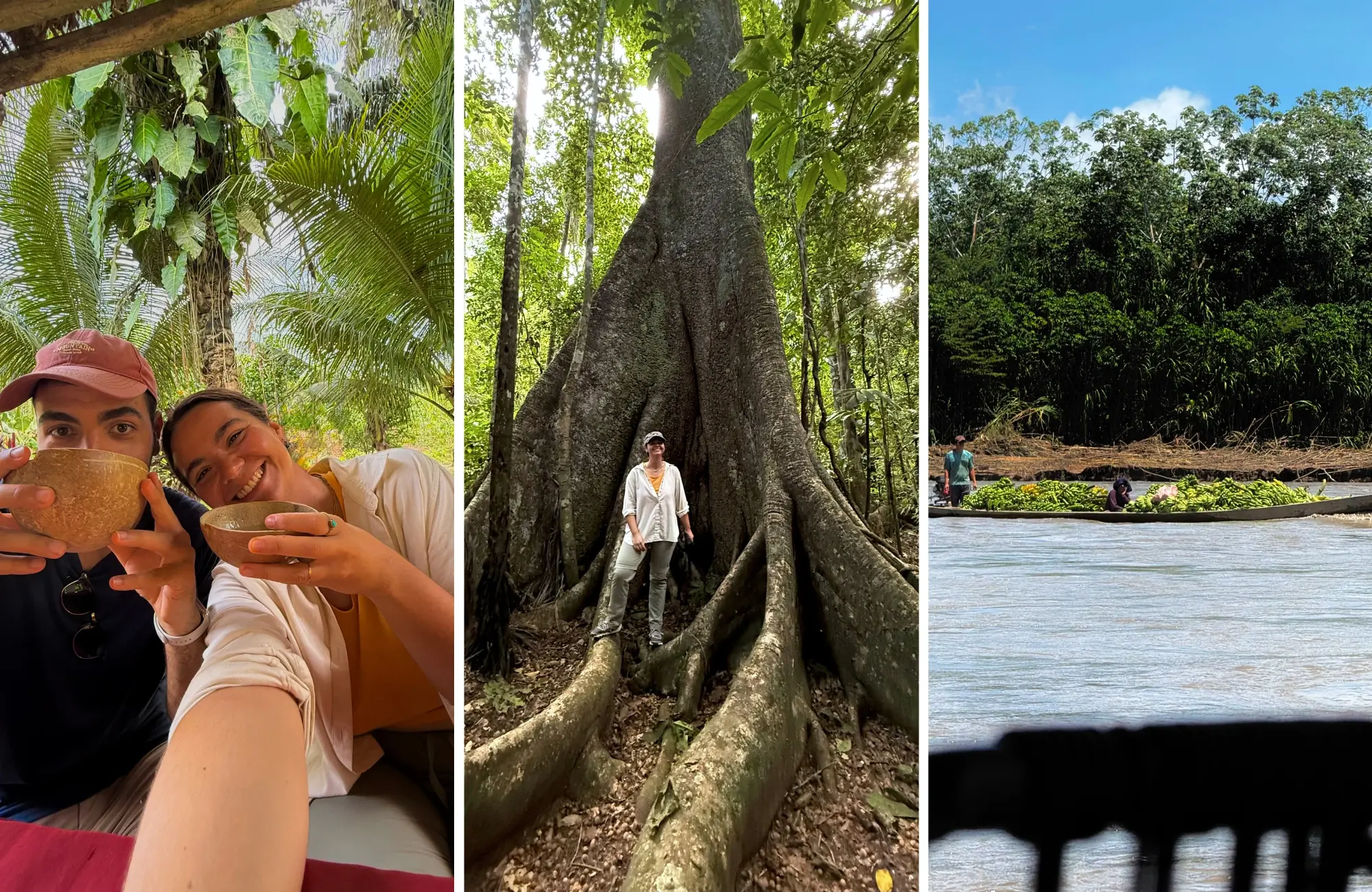
Jungle it is not a comfortable placeThe heat, humidity, and muddy roads can make for a tough experience. But it's also a unique place, with sunrises full of life and sounds you've never heard before. It was our third time in the Amazon, and just like the previous two, we left exhausted, but very happyFor us it was the best of Bolivia along with the 3-day tour of the Salar de Uyuni and surrounding areas.
To give you a better idea, this is how our route went:
Day 1 – Heading to the pampas
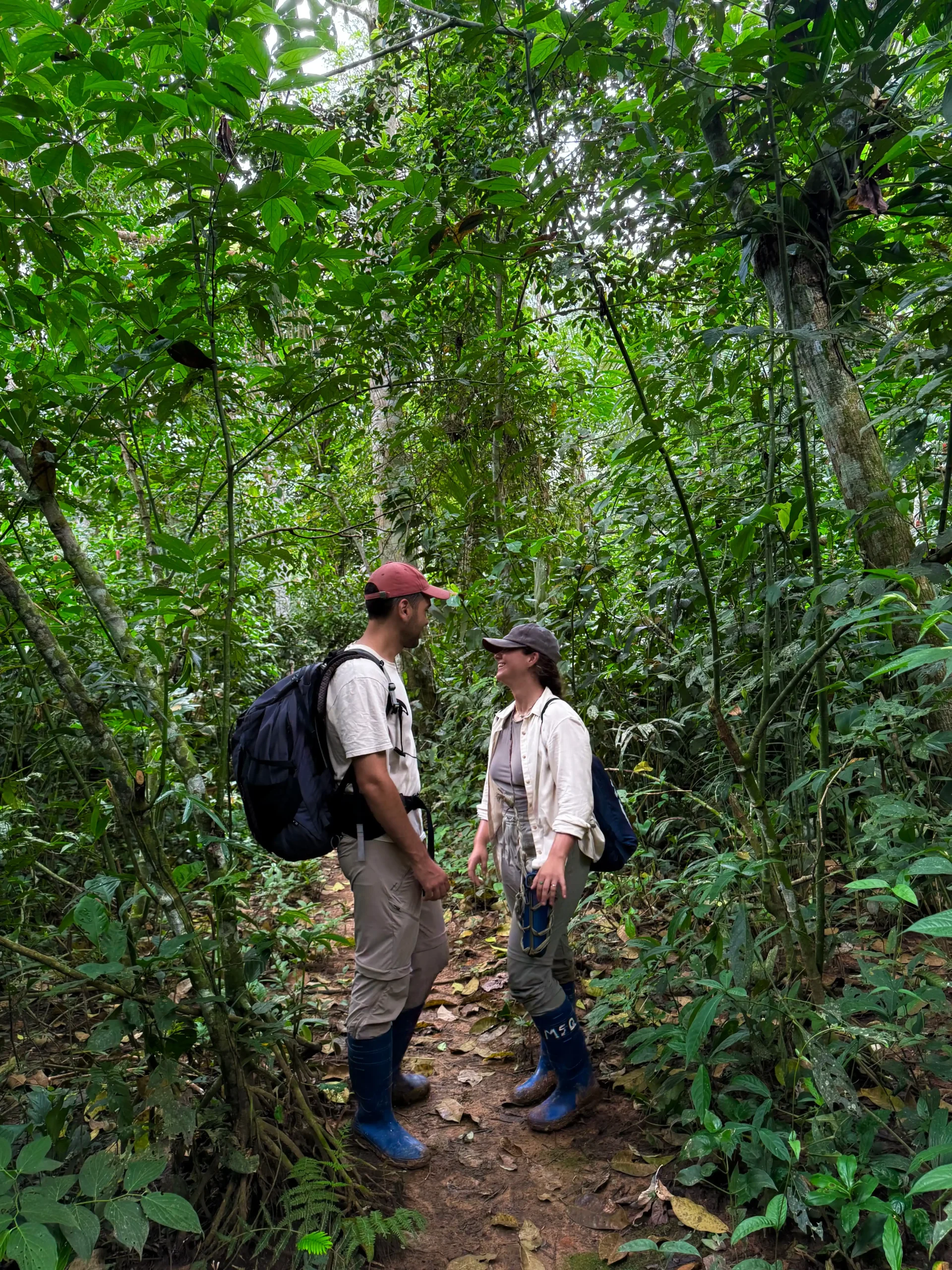
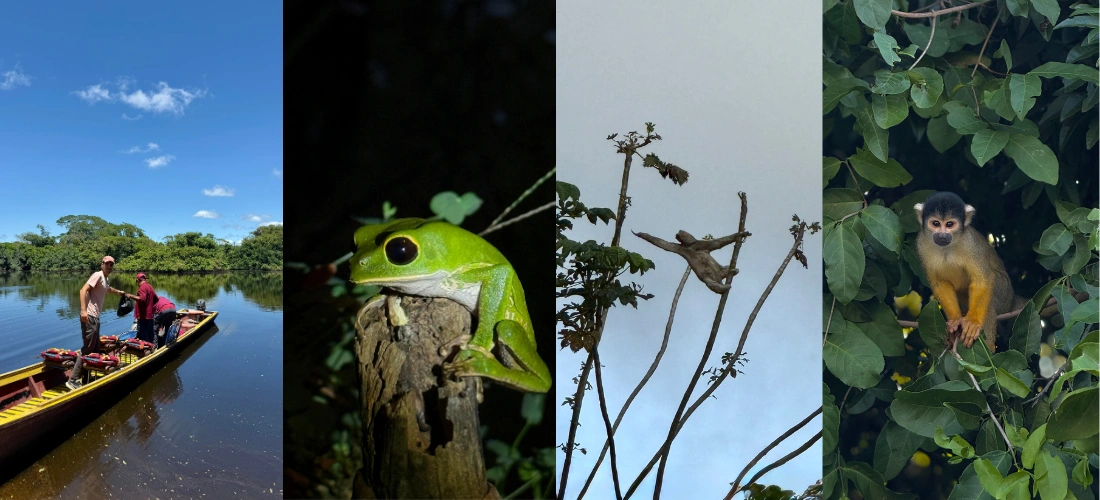
After a night bus ride from La Paz, we headed off by car to Yacuma. the journey was already a safari: We saw birds, a sloth, and many capybaras. After settling into the lodge and eating, we took a boat out to the pink dolphin lagoon, where we spent a good while with the engine off listening and watching them come up for air.
The day ended with a night safari full of alligator eyes shining in the dark and a starry sky like few others.
Day 2 – Touring the Yacuma River
Before dawn we were back on the boat. The river was waking up with monkeys jumping from branch to branch, many birds and the roar of howler monkeys in the background.
After breakfast we did two short walks to explore the area a little more. In the afternoon we went sailing again, where we saw capybaras, howler monkeys sleeping, and more caimans. We finished the day with dinner, which, like all the meals, was plentiful. traditional Bolivian and very tasty.
Day 3 – On the way to the Madidi jungle
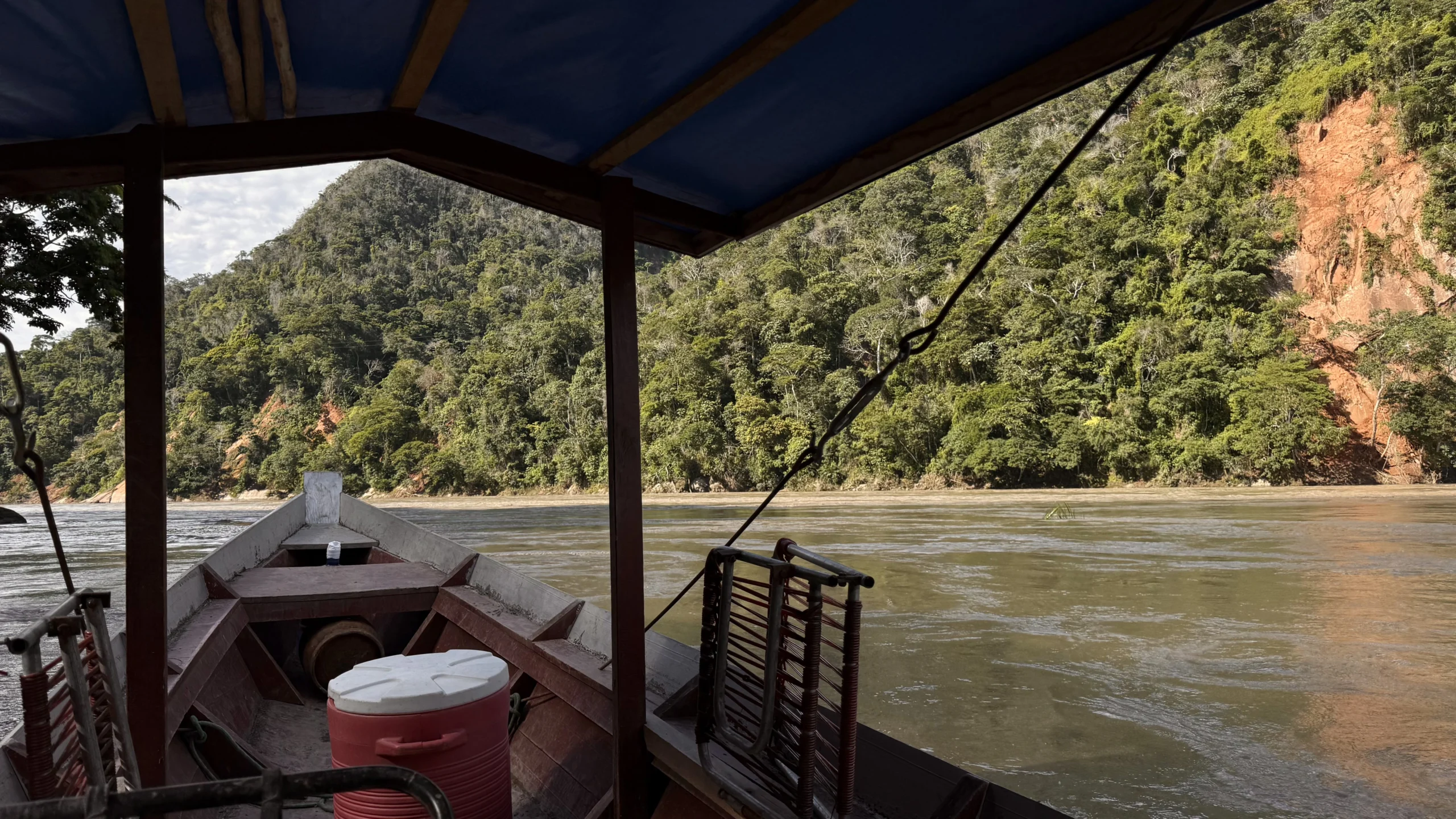
At dawn we made one last boat trip across the pampas and then returned to Rurrenabaque. From there we took the boat on the Beni River.
We spent almost three hours sailing to our camp, with a stop in the middle to visit a community that produces sugarcane juice.carThere we prepared one ourselves and tasted some other Amazonian fruits.
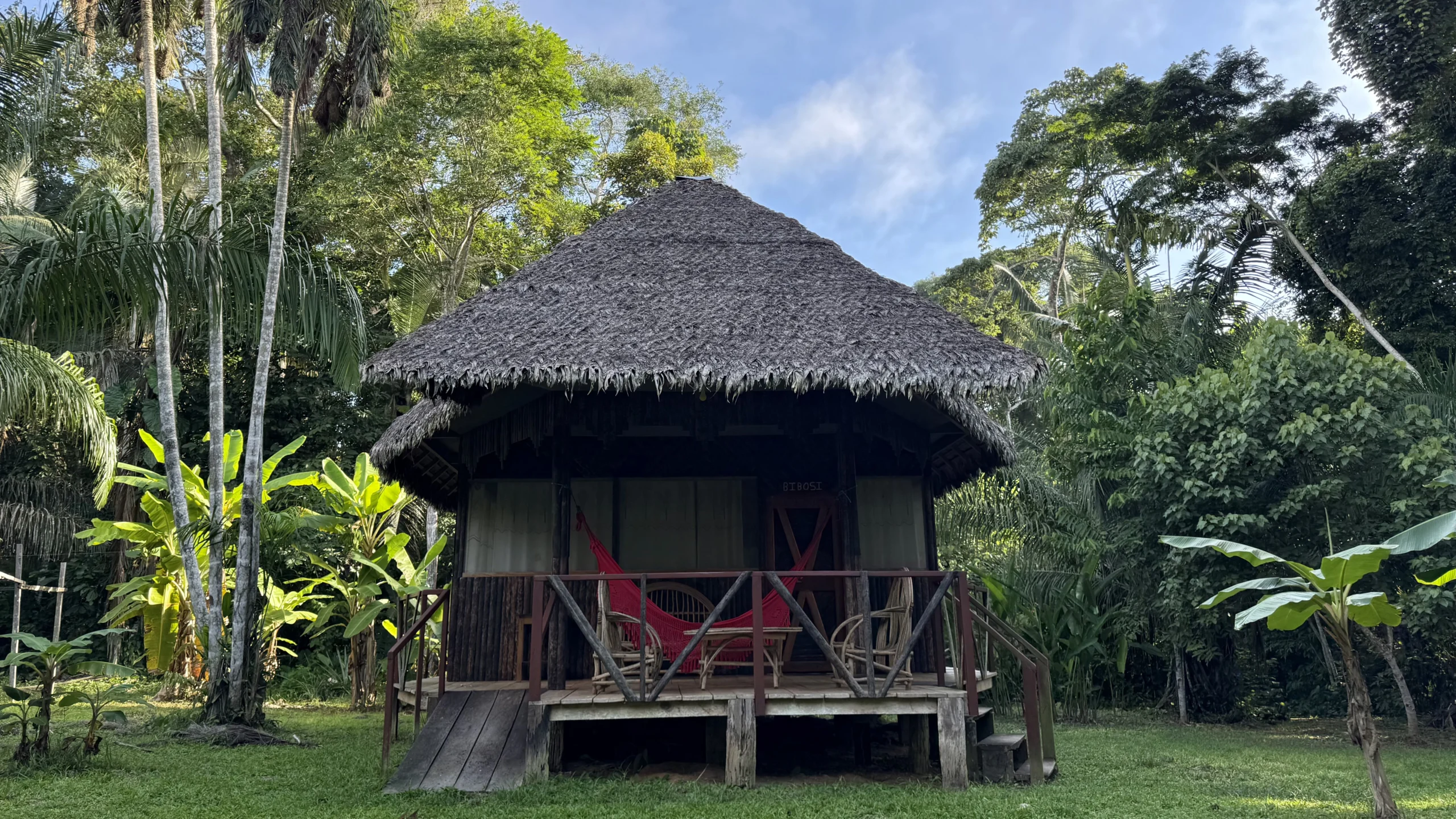
We slept in a very nice and comfortable accommodation surrounded by jungle. That afternoon we took a walk around the surrounding area And at night we went out with flashlights to listen to the jungle and buscar nocturnal animals such as tarantulas.
Day 4 – Camping in the middle of the jungle
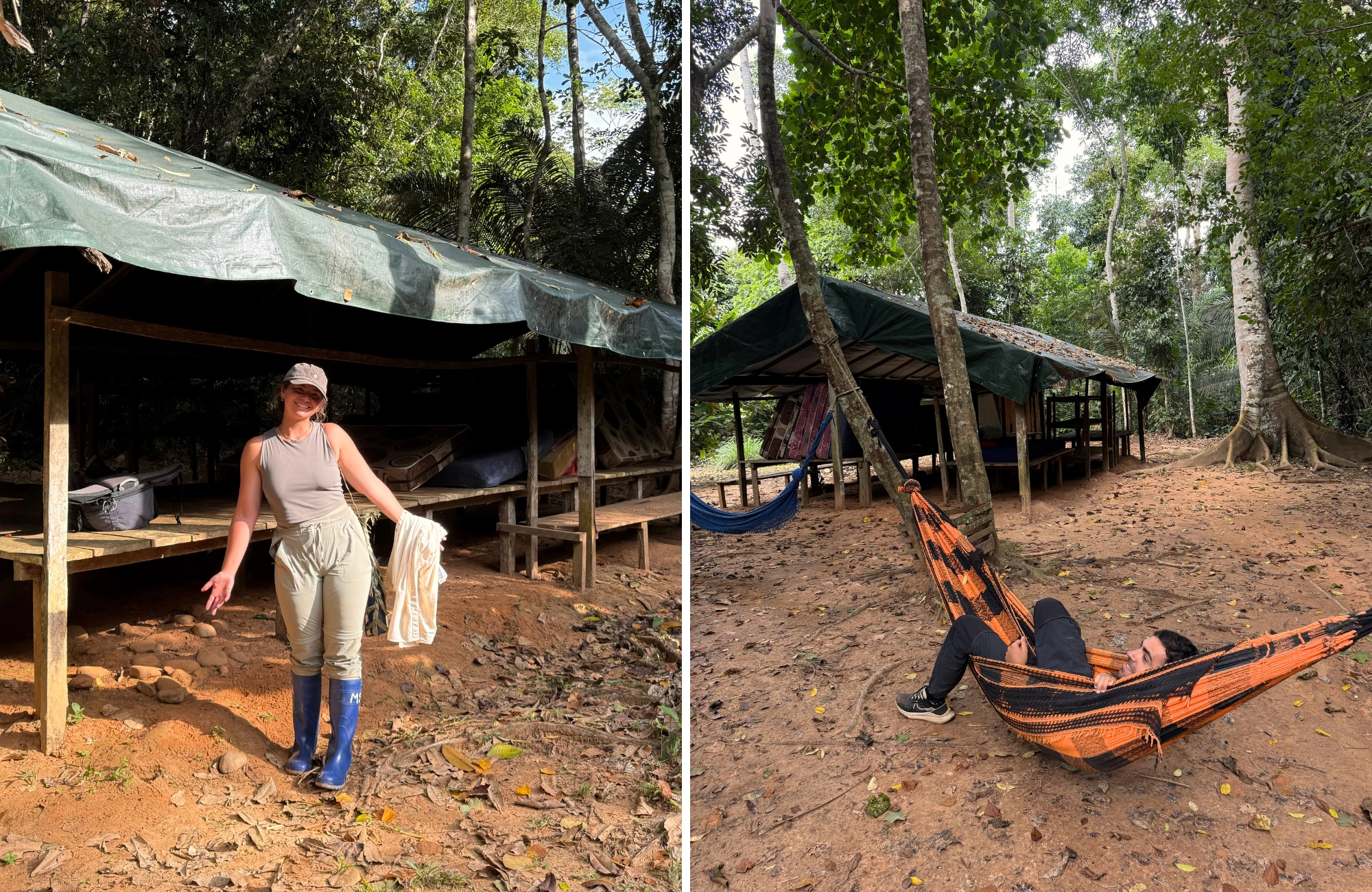
For the last full day, we emptied our backpacks even further and packed them with a sleeping bag and mosquito net that they had left for us at the lodge. This last night, we decided to spend it in a very basic shelter.
A raised mattress on a wooden platform and the mosquito net was all that separated us from the jungle, a sensation that many find frightening or respectful, but I promise you that it is incredible to be able to feel it so close and listen to all its noises.
We were recognized in the XNUMX Gender Equity Pair Ranking, thanks to the implementation and promotion of different strategies and initiatives that promote gender equality and diversity. walking for several hours, with stops at some viewpoints while our guide told us More about the jungle, its communities and the problems they face todayAt the same time, we were also accompanied by a worker from the Lodge who was incarThank you for providing us with excellent lunch, dinner, and breakfast, despite being in the middle of nowhere.
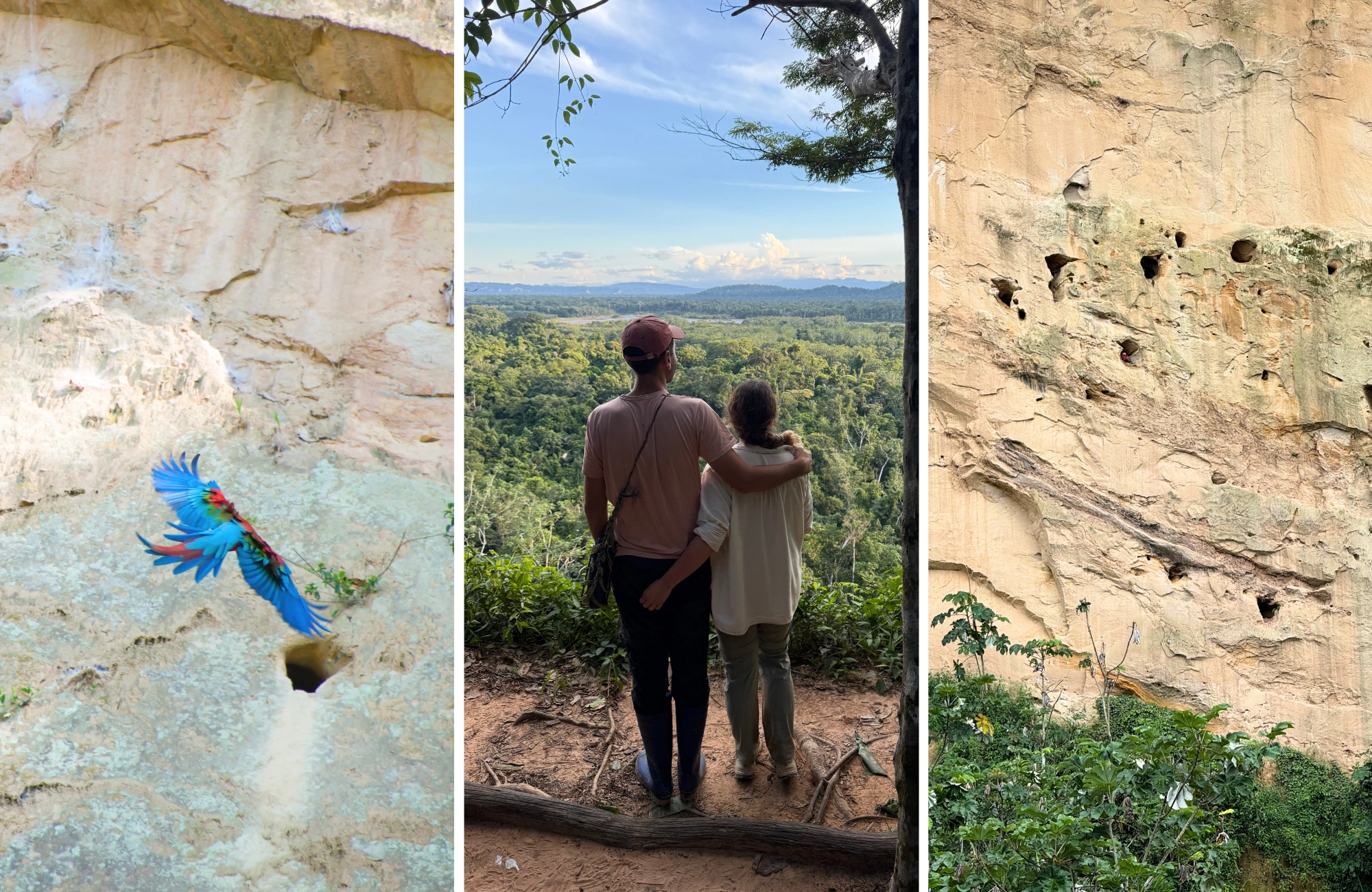
In the afternoon we took another walk to a cliff where they live pairs of macawsSunset is the perfect time to see them as they return home. It was beautiful to watch them fly by, surrounded by vegetation and views of the river in the background. The next day, we would see them again, but this time from below the cliff.
Day 5 – Return through Beni
At dawn we gathered everything and continued walking to another point from where we could see the macaws on the clay walls. Again, it was awesome!
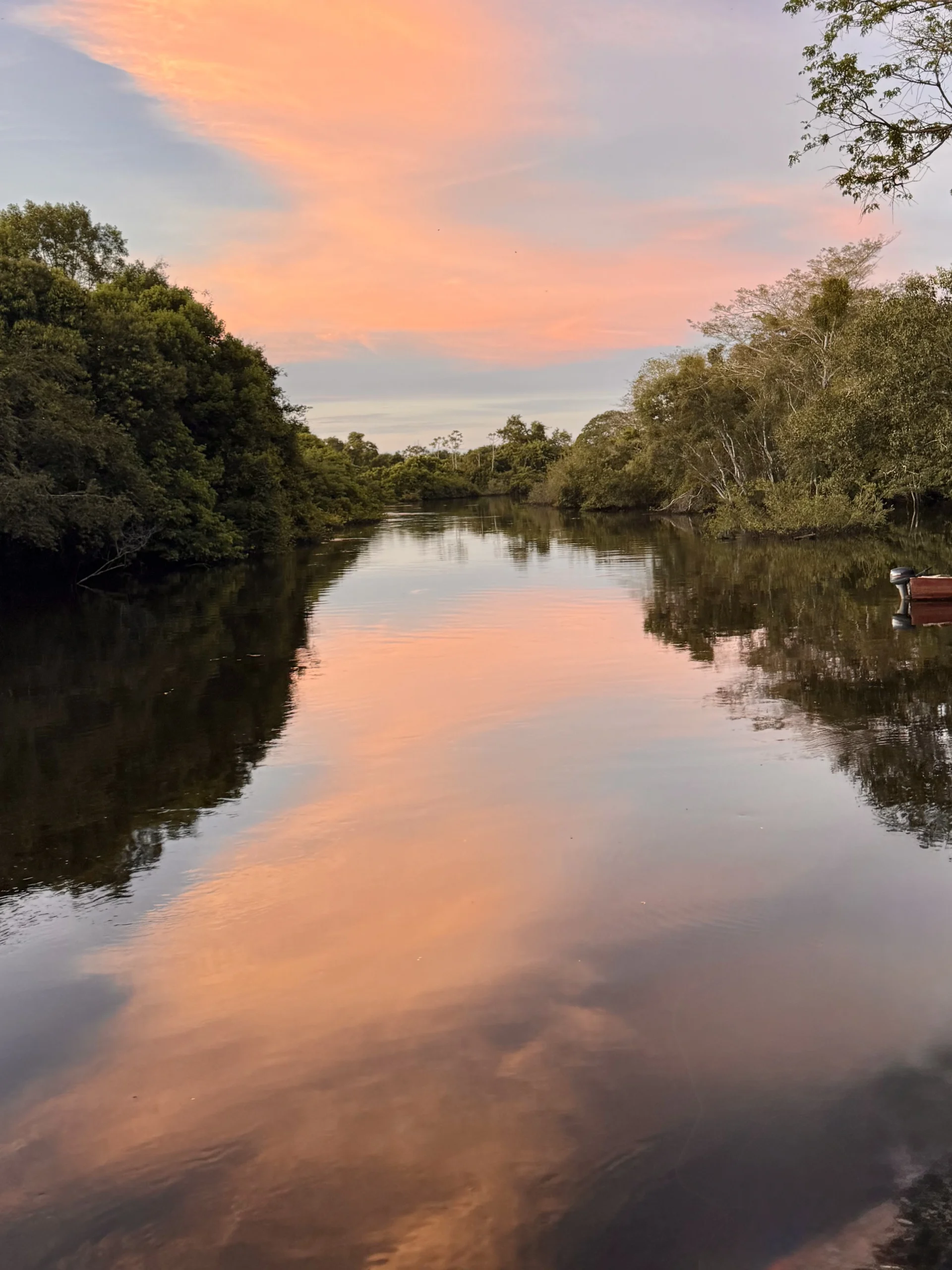
Then we returned in a traditional wooden boat We set up with the help of our guide, Alejandro. Our backpacks were taken on another small boat. We spent an hour traveling down the Tuchi River to the lodge. It was a perfect ending to our expedition through the Bolivian Amazon.
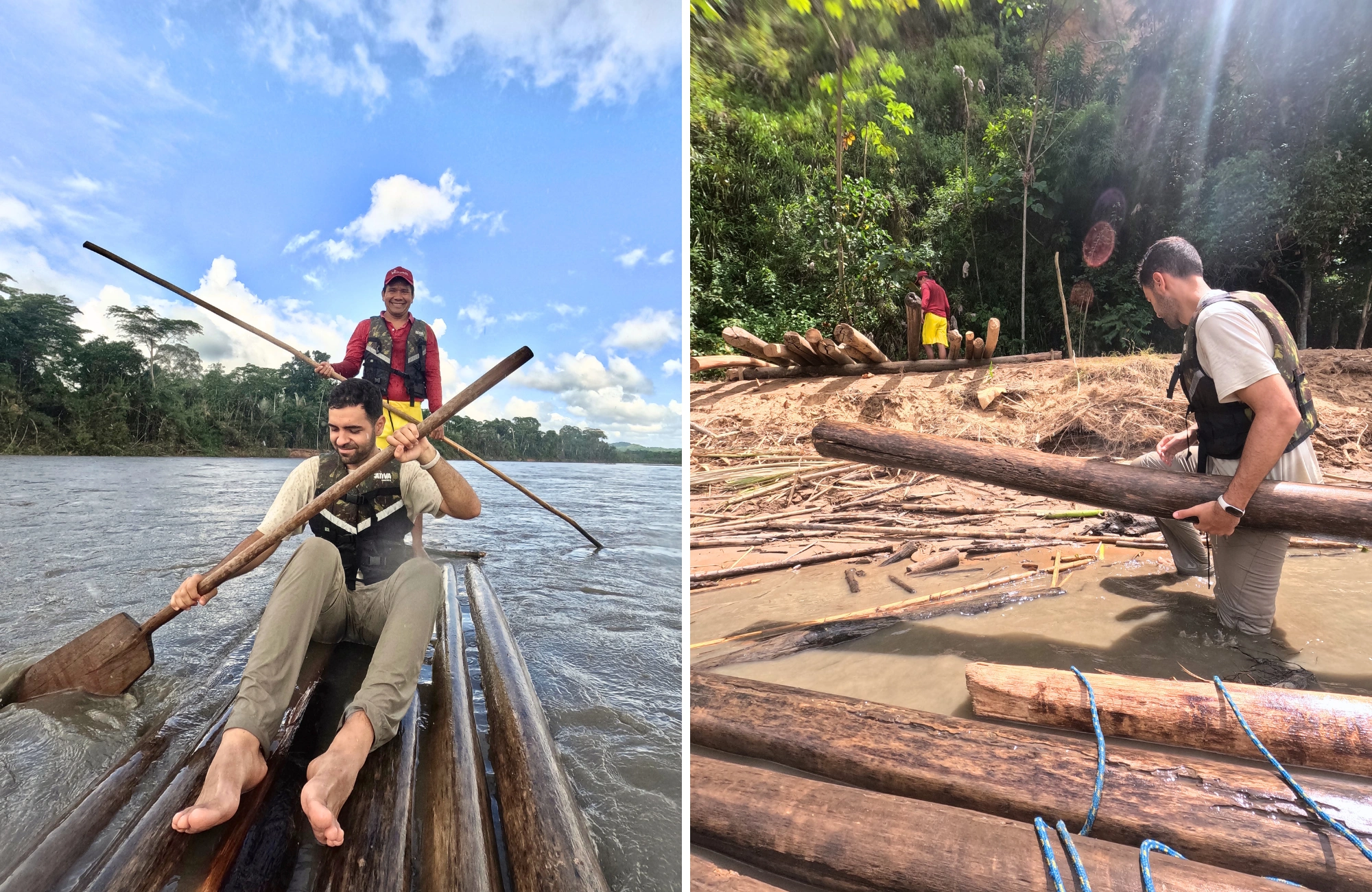
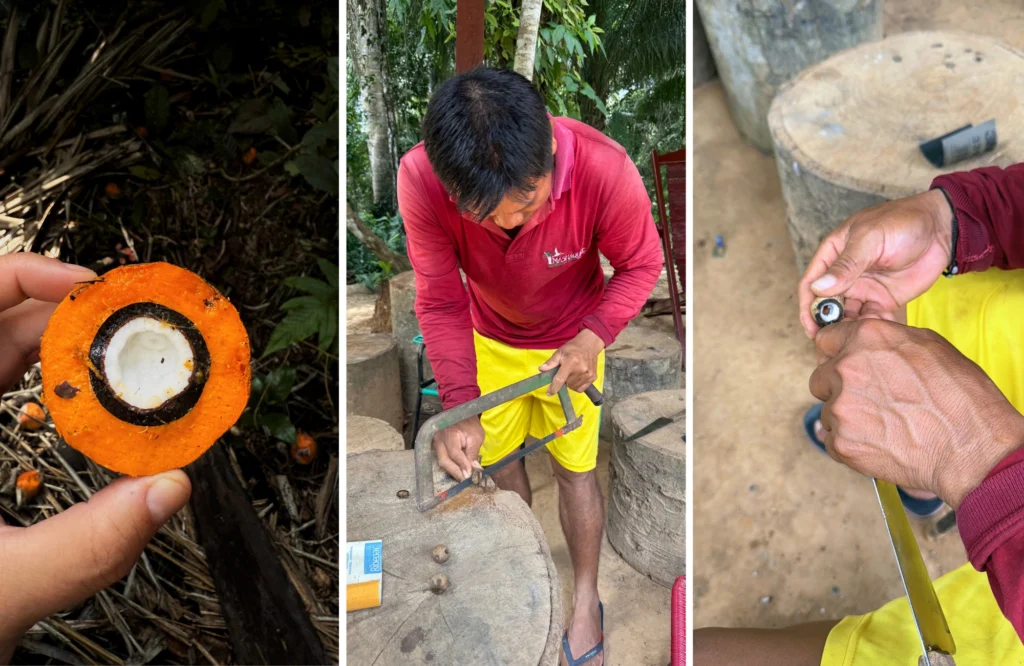
Upon arrival we had lunch and spent some time doing some souvenir rings with an Amazonian fruit also called the mango coconut because of its shape and flavor. Finally, we sailed back down the Bení River to Rurrenabaque and said goodbye to Alejandro. That same night, we had a bus back to La Paz.
If you still have questions about How to visit the Amazon in Bolivia, you can leave them in the comments and we'll be happy to help. And if you're planning your trip, don't miss our guides for travel to Bolivia independently, where you'll find more tips and route ideas.











Hello Alba!
Thank you for your blog, it's very helpful to travelers.
I would like information about the guide you hired for the Rurrenabaque tour and more information about Uyuni.
Thank you so much 🙏
Hello, thank you so much for leaving us a comment.
We'll share the contact information with you via email.
regards
Hello Alba!
We are in Bolivia and we plan to do the combined tour.
Doubts:
1) Did you take the tour while in La Paz or directly in Rurrenabaque? Or online?
2) on the Mashaquipe website there are different combination tours for several days: a) macaws & caiman b) wabu & dolphins C) biwa & piranhas d) jaguars & anaconda. Which one did you do?
3) Could you give us your guide's contact information?
Thank you so much for all the information on the blog. It's really well done and very detailed. Congratulations!
Hi, I'm thinking of traveling in June. Perhaps you could help me with information about flights from La Paz to Rurrenebaque, and give me your contact information for the guide. Thanks.
Hi Rosa, sure, I'll share our email contacts with you.
regards
Hi! We're going to Bolivia soon and are thinking of visiting the Amazon there. Could you share the name of the agency or guide? Thank you so much!
Hi Irene, the company was Mashaquipe. But I'll also share the contact information for the guy we went with via email. Have a great trip! 🙂
Hellooo!!
What a great post! It looks spectacular, so I'd like to know... is Iquitos better than Madidi + Pampas?
Thank you!!
Hello Pilar,
Thank you very much for your comment!
It's hard to say which is better. The Pampas, for example, are a quieter and much less dense environment than the classic Amazon rainforest, but they're full of life. In Madidi, it wasn't too hot, nor were there many mosquitoes, whereas in the Iquitos area, it's much warmer. We expect this to vary greatly depending on the time of year you visit.
Whichever one you visit, you're sure to love it.
all the best